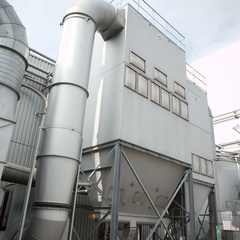
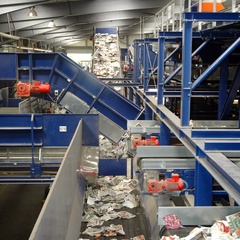
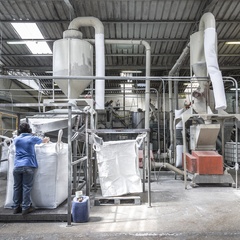
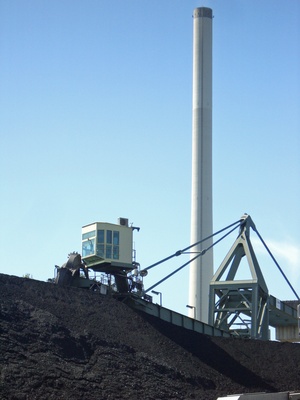
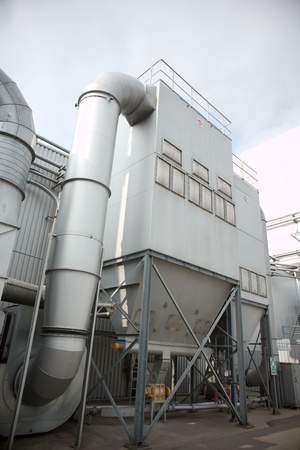
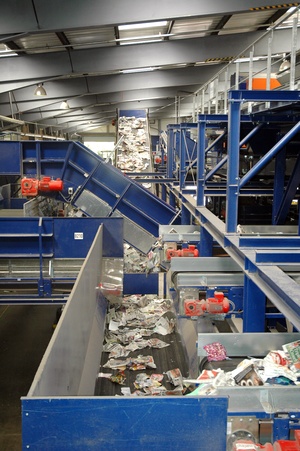
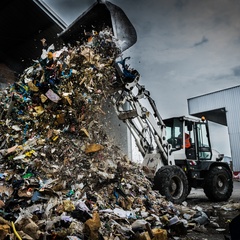
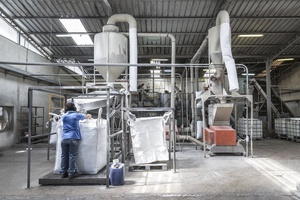
During the production sparks or glowing embers can easily be produced by the processing machines itself or from impurities in the conveyed material. These potential ignition sources are then picked up by the pneumatic system and transported along with highly combustible wood chips, dust or other finely divided particles. A single spark that enters filters, silos or the dust collector is sufficient to cause fires or dust explosions resulting in excessive damage of property and costly downtimes or even worse threatens life.
A potential disaster of this magnitude is best handled with preventative measures that are immediate, effective and dependable. With the Minimax system sparks can be detected and extinguished prior to reaching the filter or dust collector thereby protecting all company assets. Minimax is a pioneer in the development of spark extinguishing systems. Minimax offers spark suppression systems with VdS approval. Its protection strategy has been successfully tried and tested in thousands of applications worldwide.
Advantages at a glance
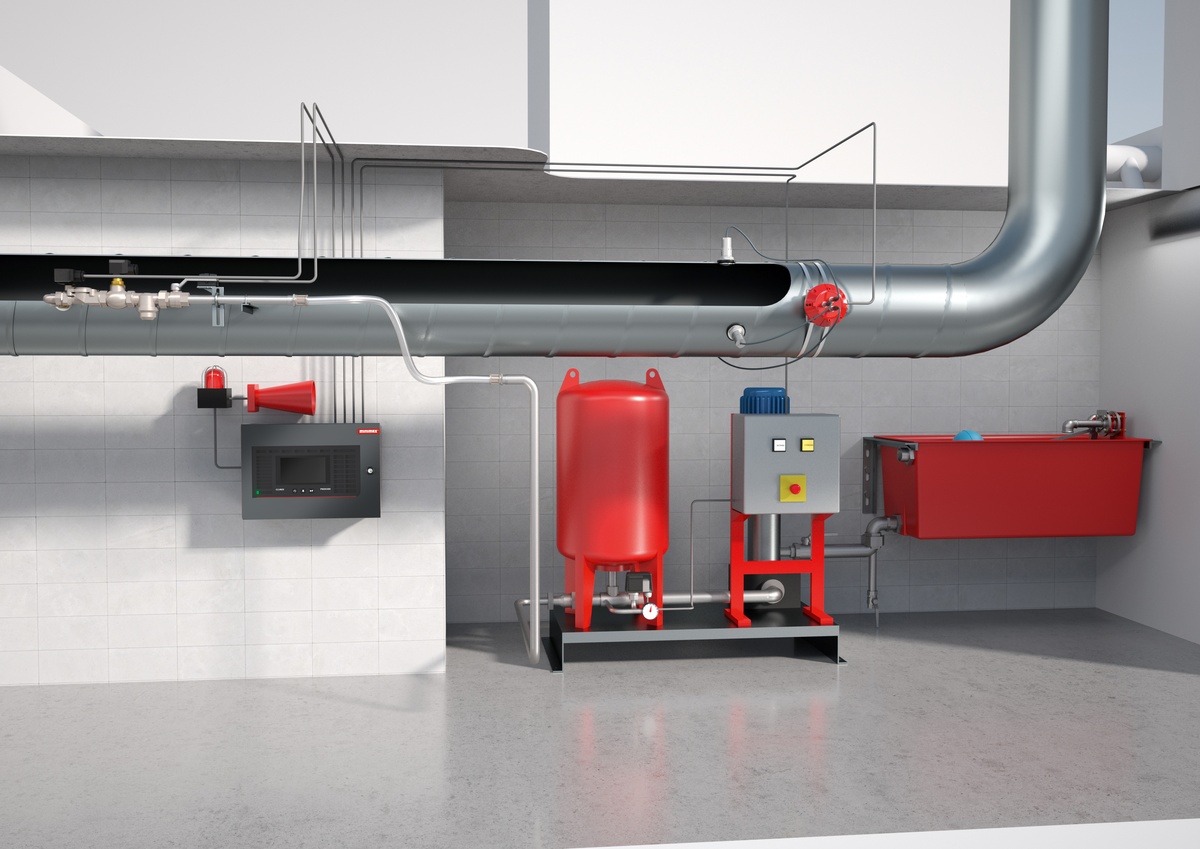
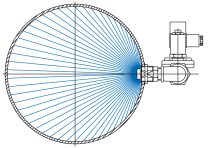
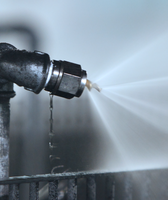
Spark extinguishing systems detect initial ignition in suction and conveying systems and produce an instant water curtain via automatic extinguishing feature in order to smother smoldering particles. These systems are recommended for use in areas where combustible materials are pneumatically transported and where there is a high risk of fires or dust explosions due to sparking or smoldering particles. As a rule, the extinguishing process occurs without interrupting operations.
Many reasons speak for Minimax spark extinguishing systems:
-
Response time: There are just milliseconds between spark detection and establishment of a complete water screen in the transport pipe. The response time is significantly reduced compared to conventional spark suppression systems.
-
Distance between spark detector and extinguishing unit: Thanks to the rapid response time, the distance required between spark detector and extinguishing unit is significantly shortened. Therefore plant areas with short conveyor distances can also be protected with Minimax spark suppression systems.
-
Visibility monitoring: This enables a targeted maintenance of the sensors. By identifying the level of pollution, the risk in the relevant pipe can be detected in good time.
-
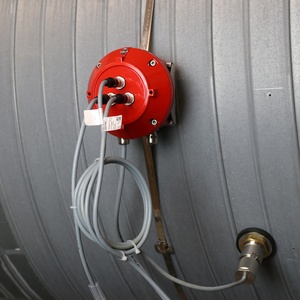
Installation time: In order to minimize installation times, rapid assembly kits are used for the detectors and extinguishing nozzles.
-
VdS- and FM-approved system: Minimax offers spark suppression systems with VdS approval and also with FM system approval.